
전통의 '결'을, 생성하다
GENERATING THE 'GYEOL' OF TRADITION
Reimagining Korean tradition through AI: from cultural pattern to a generative system

GYEOL
OVERVIEW
Supported by the Mary Gates Research Scholarship, Gyeol explores how AI can facilitate meaningful self-reflection rather than simply generating answers. By combining qualitative research, interaction design, and human-centered AI, the project investigates how technology can help users better understand their personal values through guided reflection.

ROLE
Project Manager/Researcher
MENTOR
Professor Nam-ho Park
DURATION
9 Months
SOFTWARE
ComfyUI • Figma • ChatGPT API


Gyeol (결) is a Mary Gates Research Scholarship funded research project exploring how artificial intelligence can reinterpret traditional Korean visual motifs into contemporary digital textures and generative design systems. Conducted at the University of Washington under faculty mentorship by Professor Nam-ho Park, the project investigates how cultural aesthetics can be translated into computational workflows while maintaining authenticity, meaning, and historical context.
OVERVIEW
Context: Korean patterns + AI + generative systems
Why it matters: identity, cultural translation, design systems
Research question:
→ How can traditional Korean patterns be translated into generative systems using AI?
01 — IMITATION | 모방
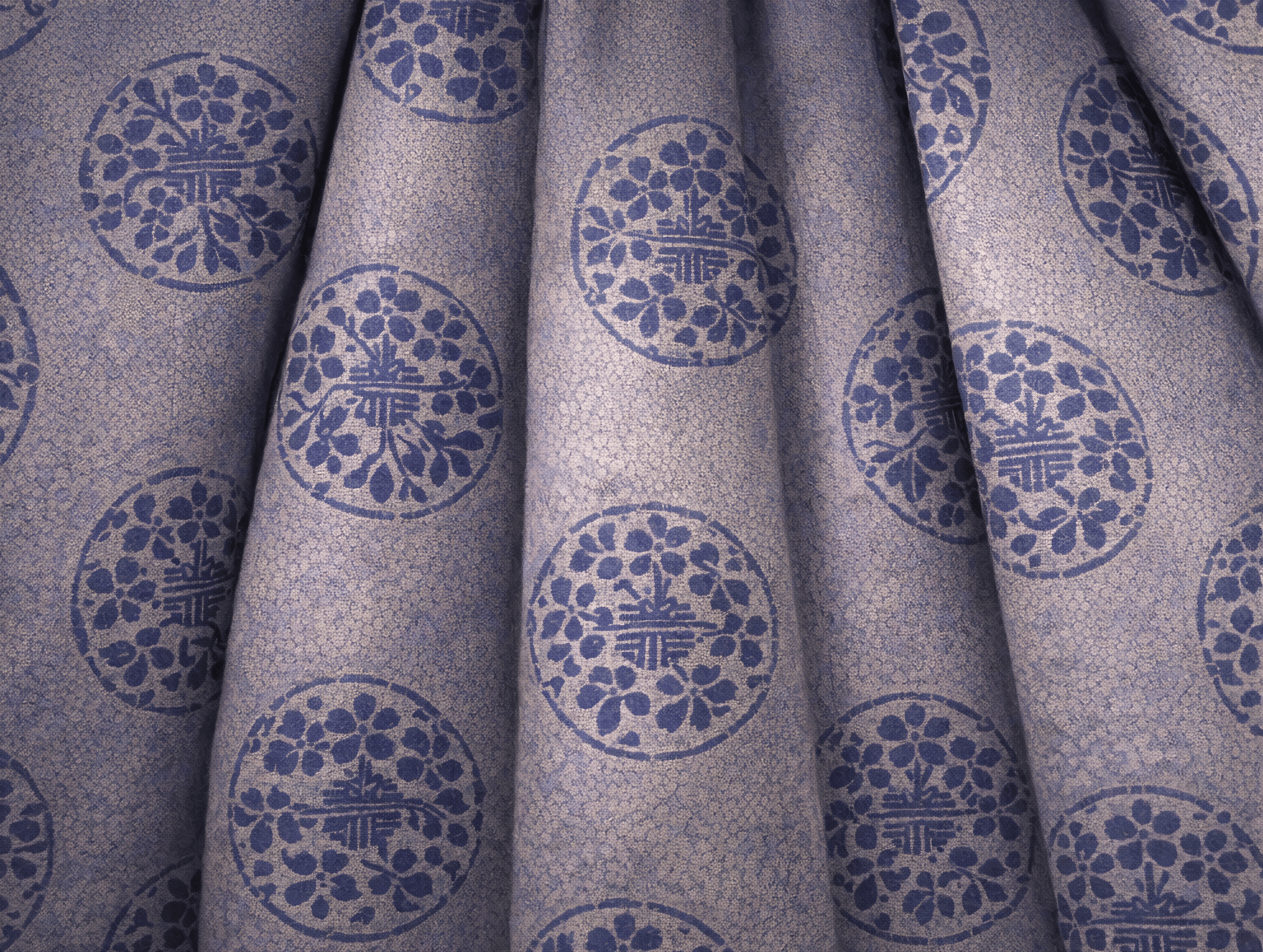
02 — AESTHETIC EXTRACTION | 모방
03 — IMITATION | 모방
PROCESS FRAMEWORK
Understanding the structure of tradition
Understanding the structure of tradition
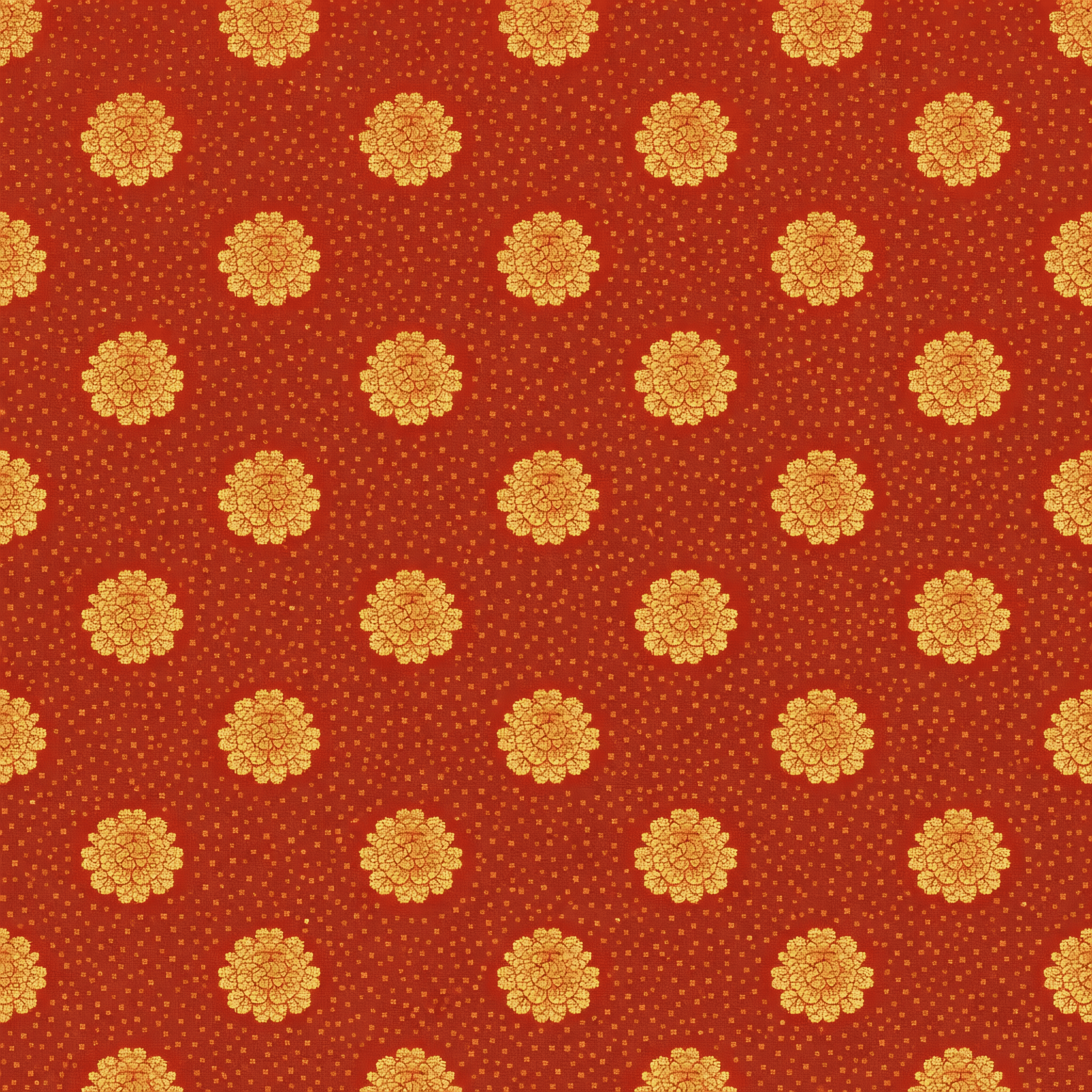

MAIN STEPS
01 — IMITATION | 모방
Pattern analysis (geometry, repetition, symmetry)
Manual/digital recreations
Key observations
02 — Aesthetic Extraction (미적 특징 활용)
Subtitle: Translating patterns into systems
Layout:
Process-heavy (diagrams + breakdowns)
Content blocks:
Motif breakdowns
Rule systems (grid, spacing, rhythm)
Parameter mapping (scale, density, variation)
AI workflow (ComfyUI nodes, pipeline)
03 — Expression (미적 가치 표출)
Subtitle: Generating new forms
Layout:
Visual-heavy (this should feel like a gallery)
Content blocks:
AI-generated textures
Variations / iterations
Applications (3D materials, UI, surfaces)
1 | RESEARCH